



Choosing a wristwatch is more personal than it looks. A watch is an accessory, a status symbol, a practical tool and sometimes an investment. Smart, mechanical or quartz? Leather strap or metal bracelet? Luxury piece or everyday workhorse? Whether you are after style, reliability or technology, this guide will help you find the watch that fits the way you live.
Why the right watch matters
The right watch says something about its owner: taste, lifestyle and priorities. For some it is a symbol of class and tradition, for others a tool that helps them through the day.
Whether you are a professional looking for an elegant finishing touch to a suit, an athlete who needs reliability, or simply someone who loves well-designed objects, a good watch stays with you for years. That is why the choice deserves some thought: the right model completes your look, while the wrong one can spoil it.
Types of wristwatches and what sets them apart
Both women's and men's watches fall into a few main categories, each with its own strengths and weaknesses.
Mechanical watches
Mechanical watches are small masterpieces of watchmaking. A system of gears, springs and a balance wheel keeps the hands moving smoothly. They are loved by fans of classic design, detail-oriented buyers and collectors. Manual models need regular winding; automatic ones wind themselves while you wear them.
Their strengths are elegance, longevity and craftsmanship. The trade-offs are regular servicing and a higher price than comparable quartz models. Browse our automatic men's watches to see the range.
Quartz watches
Quartz watches stand for accuracy, durability and value. An electronic movement regulated by a quartz crystal keeps very precise time. They need no winding, and the battery usually lasts two to five years, depending on the model.
Quartz is the most widespread type, with designs from sporty to classic. These watches are affordable and low-maintenance, although they lack the mechanical complexity that collectors love.
Smartwatches
Smartwatches combine a watch with modern technology. Their displays show the time, notifications, heart rate and much more. Some models take calls, run apps and even measure blood oxygen levels.
They are ideal for active people and professionals who want everything on the wrist. The downside: they need regular charging and do not age as gracefully as a classic watch.
How to choose a watch for your lifestyle
- Active and sporty: look for a shock-resistant case, solid water resistance and extras such as a step counter, heart-rate monitor or GPS.
- Business: an elegant mechanical or quartz model on a leather strap or steel bracelet underlines your style.
- Everyday: choose a comfortable, reliable watch that handles a full day without losing its looks.
Which materials to choose
Materials determine not only durability but also how a watch looks and feels on the wrist.
Case. Stainless steel is the most popular choice thanks to its resistance to corrosion and knocks. Titanium is lighter but just as strong and is often used in high-end sports watches. Gold offers unmatched elegance but scratches more easily, while ceramic is highly scratch-resistant and looks modern.
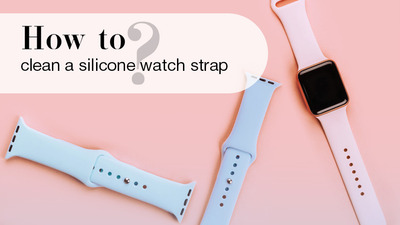
Strap or bracelet. Leather is classic and comfortable but needs care. Steel or titanium bracelets are more durable and look more formal. Silicone and rubber are the go-to for sports watches: comfortable, moisture-resistant and easy to clean. Read more in our guide on how to choose the right watch strap.
Crystal. Sapphire is the most scratch-resistant and is used in premium watches. Mineral glass offers a good balance of price and durability, while acrylic is the most affordable but scratches more easily.
Trusted brands for different needs
A branded watch is more than a stylish accessory; it is a promise of quality and reliability. Luxury houses such as Rolex and Omega are known for masterful craftsmanship and iconic designs.
If you want dependability at a reasonable price, Casio, Seiko and Citizen are among the best options, with classic, sports and everyday models built to last. In smartwatches, brands such as Garmin lead the way with health features and long battery life.
How to look after your watch
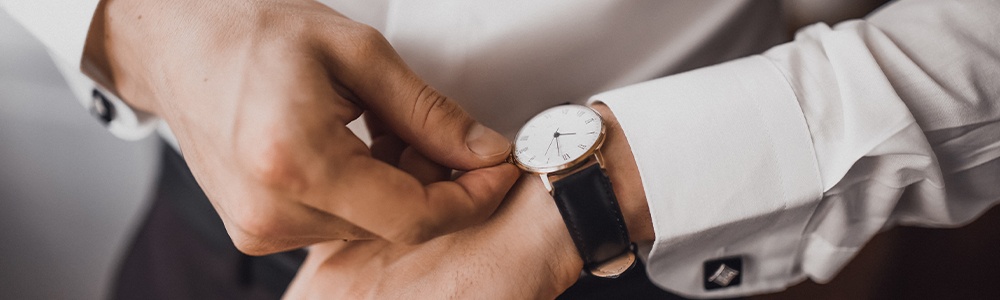
A well-maintained watch can serve you for decades. Wipe the case and crystal regularly with a soft cloth, and have the seals of water-resistant models checked from time to time. Mechanical watches need a service every three to five years; quartz watches just need a timely battery change. When you are not wearing it, keep your watch in a box or pouch. Our tips on how to store your watch properly go into more detail.
Frequently asked questions
Mechanical or quartz: which is better?
Neither is better in every way. Quartz is more accurate, more affordable and nearly maintenance-free. Mechanical watches offer craftsmanship, character and a movement that can last generations with proper servicing. Choose based on what you value more: convenience or tradition.
Which crystal is best for everyday wear?
Sapphire crystal is the most scratch-resistant and is the best choice if you wear your watch every day. Mineral glass is a sensible, durable option on more affordable models.
How often should a mechanical watch be serviced?
As a rule of thumb, every three to five years, or as the manufacturer recommends. Service it sooner if the watch starts gaining or losing noticeably more time than usual.
Conclusion
Choosing a wristwatch is personal. Decide what matters most to you (accuracy, elegance, features or a mix of all three), pick durable materials and trust established brands. Then explore our men's and women's watches and find a piece that will keep you company for years.