


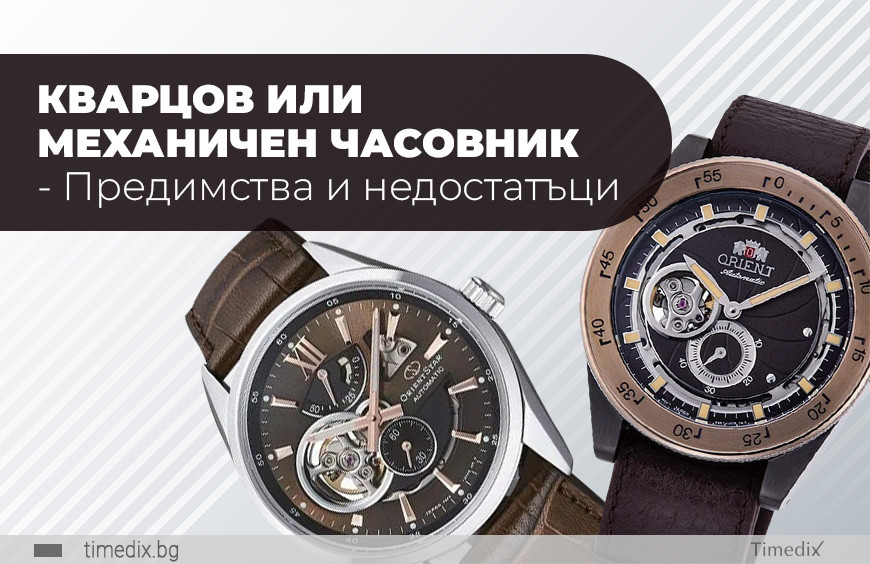
Tick-tock. The sound of a watch may be constant, but the technology behind it keeps evolving. One of the biggest decisions when buying a watch is the movement: quartz or mechanical. Both have clear advantages and drawbacks, and the right choice comes down to what you value most. Here is an honest comparison to help you decide.
Quartz watches
Quartz watches have been a popular choice since the 1970s thanks to their accuracy, reliability and value.
Precise timekeeping
Quartz watches are known for exceptional accuracy, thanks to a battery-powered quartz crystal. While a mechanical watch can gain or lose several seconds a day, a typical quartz watch deviates by only a few seconds a month.
Easy maintenance
Quartz watches need no winding and very little servicing. A battery usually lasts for years, and replacing it is quick and inexpensive.
Affordable and widely available
Quartz models come in every style imaginable, so it is easy to find one that suits your taste and budget. For more background, read what is a quartz watch.
Durability
With fewer moving parts, quartz movements cope well with everyday knocks and are less sensitive to magnetism, which makes them a practical choice for an active lifestyle.
The drawbacks of quartz
- Less of the charm and craftsmanship that enthusiasts associate with mechanical watches.
- The battery needs replacing periodically.
- Lower collectible value in most cases.

Mechanical watches
Mechanical and automatic watches have a unique charm that makes them a favorite among watch lovers.
A wearable work of art
A mechanical watch is more than a timekeeper. Its movement of gears, springs and a balance wheel is built with precision and skill, often visible through a transparent caseback.
Character
Every mechanical watch has its own personality: small differences in accuracy, power reserve and even the sound of its tick. Wearing one feels like wearing a piece of craftsmanship.
Longevity
A mechanical movement does not rely on batteries or electronics. With regular servicing, it can run for generations.
Tradition
Mechanical watches carry centuries of watchmaking history. Learn how they work in our article how do mechanical watches work.
The drawbacks of mechanical watches
- Lower accuracy than quartz; temperature, position and magnetism can affect timekeeping.
- Regular servicing (cleaning, lubrication and adjustment) by a watchmaker, usually every three to five years.
- Higher purchase and maintenance costs over time.
Quartz vs mechanical at a glance
| Quartz | Mechanical | |
|---|---|---|
| Accuracy | A few seconds per month | A few seconds per day |
| Power | Battery (or light on solar models) | Mainspring, wound by hand or automatically |
| Maintenance | Battery change every few years | Service every 3–5 years |
| Price | More affordable | Usually higher |
| Character | Practical | Craftsmanship and tradition |
Frequently asked questions
Is an automatic watch the same as a mechanical watch?
An automatic watch is a type of mechanical watch. Instead of manual winding, a rotor winds the mainspring as you move your wrist. If you don't wear it for a day or two, it may stop and need to be set again.
Which lasts longer?
Both can last decades. A mechanical watch can be serviced and repaired almost indefinitely, while a quartz watch depends on the availability of electronic parts, but needs far less care day to day.
What about solar watches?
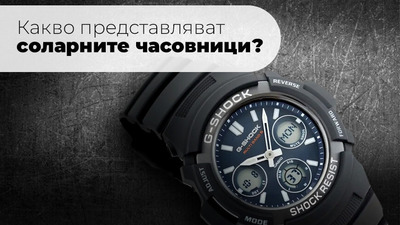
Solar watches are quartz watches powered by light. They combine quartz accuracy with no regular battery changes. Learn more in what are solar watches.
Conclusion
Quartz watches win on accuracy, value and convenience; mechanical watches win on craftsmanship, longevity and prestige. Whichever you prefer, choose a quality watch that meets both your aesthetic and practical standards. Explore our men's and women's watches to find yours.